Language, too, forces the air from the lungs.
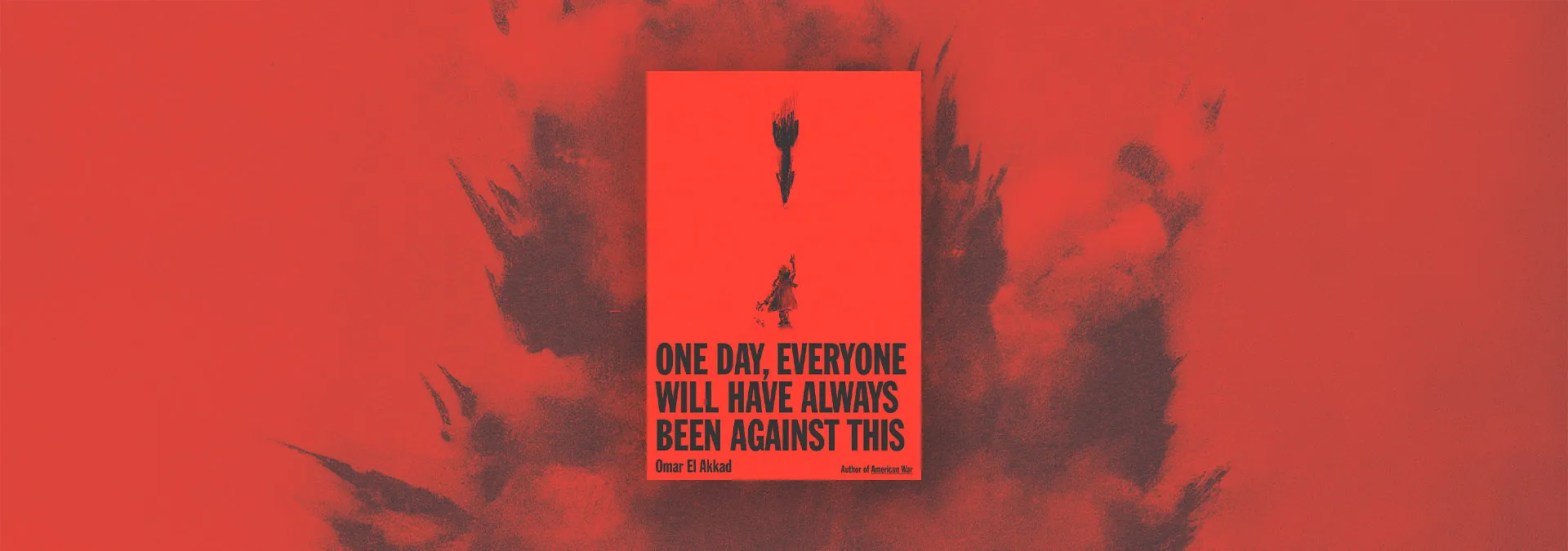
Reading Omar Akkad’s book was like finally being able to breathe out—a process of untying a knot deep inside the chest. It gave voice to the turmoil, the mess of emotions, I have felt but haven’t managed to articulate—least of all so beautifully.
The book examines the West’s “reticent acceptance of genocide” in Gaza and, in the process, exhumes some well known skeletons from the empire’s closet—most notably Guantanamo Bay, where Akkad served as a correspondent for The Globe and Mail. It studies the recent American election and the ideological failures of the Democratic Party, seen as a manifestation of the Global South’s broader disenchantment with the oft proclaimed ideals of liberal Europe and the USA, and what all this means for our collective future as inhabitants of this planet:
So much lives and dies by the grace of endless forgetting.
But so many will remember. We say that, sometimes, when it’s our children killed: Remember. And it may seem now like it’s someone else’s children, but there’s no such thing as someone else’s children. The problem with fixating on the abyss into which one’s opponent has descended while simultaneously digging one’s own is that, eventually, it gets too dark to tell the difference.
Drawing on the brutal imagery that we’ve witnessed on our screens for the last eighteen months, but which has largely gone unreported in mainstream media, the book is an essential reading for anyone seeking to understand or for anyone needing a catharsis. Above all, however, the book deserves to be read for its poetry alone:
What is this work we do? What are we good for?
The literary critic Northrop Frye once said all art is metaphor, and a metaphor is the grammatical definition of insanity. What art does is meet us at the site of our insanity, our derangement, the plainly irrational mechanics of what it means to be human. There comes from this, then, at least a working definition of a soul: one’s capacity to sit with the mysteries of a thing that cannot in any rational way be understood— only felt, only moved through. And sometimes that thing is so grotesque-what we do to one another so grotesque-that sitting with it feels an affront to the notion of art as a conduit of beauty.
Still, sit. Sit.

 Chromological